
 deutsch
 italiano
Visceral fat and brain aging
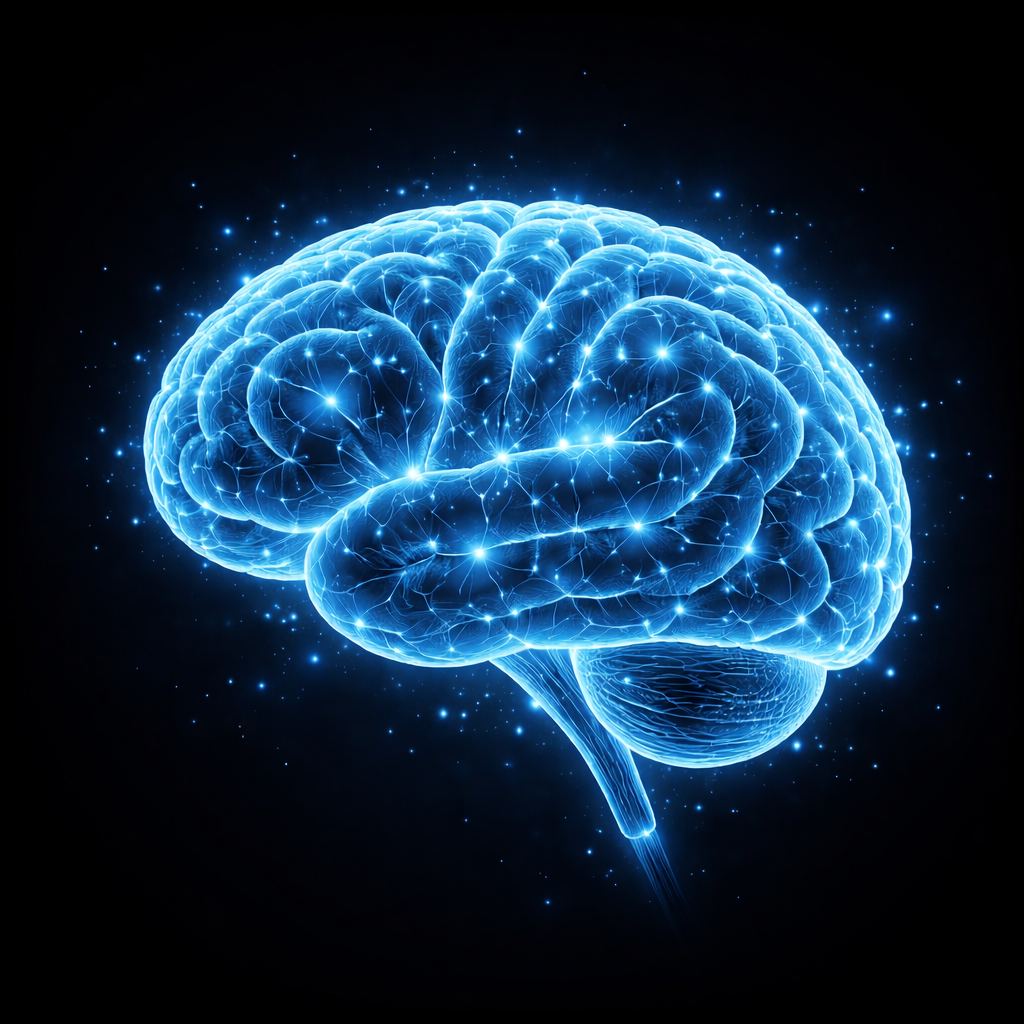
Body Composition and Brain Health: When Visceral Fat Accelerates Brain Aging
An efficient, alert, and responsive brain does not depend exclusively on chronological age. The latest scientific evidence shows that a decisive role is played by body composition, that is, the balance between muscle mass and adipose tissue. In particular, reduced muscle mass combined with an excess of visceral fat appears to be correlated with a biologically “older” brain, regardless of overall body weight.
A recent study thus adds a significant piece to the growing literature investigating the link between body fat, metabolism, and brain function, opening new perspectives on the concept of neurological aging and cognitive prevention.
The Study Presented at the Radiological Society of North America (RSNA)
These data emerged during the annual meeting of the Radiological Society of North America (RSNA), one of the main international scientific conferences in the radiology field.
The researchers examined 1,164 healthy individuals (52% women, mean age 55 years) who underwent whole-body magnetic resonance imaging.
Using an artificial intelligence algorithm, they quantified:
- muscle mass
- visceral fat
- subcutaneous fat
These parameters were then compared with other artificial intelligence models used to estimate brain age from MRI images.
Result: individuals with greater muscle mass and a lower ratio of visceral fat to muscle mass showed a younger-looking brain.
Subcutaneous fat (located immediately under the skin), instead, showed no significant association with brain aging.
Why Visceral Fat Is Different from Other Fats
From a biological point of view, visceral fat is not just a simple energy store. It is a metabolically active tissue capable of producing molecules that affect the entire body.
In particular, visceral fat is associated with:
- production of pro-inflammatory cytokines
- low-grade chronic inflammation
- increased insulin resistance
- alterations in vascular function
All these factors have been linked, in numerous studies, to processes of cognitive decline and brain aging.
The Protective Role of Muscle Mass
In recent years, muscle mass has increasingly been regarded as a true endocrine organ. Muscles produce various substances, known as myokines, involved in the regulation of:
- systemic inflammation
- glucose metabolism
- vascular health
- communication between muscles and brain
A good muscle mass thus seems to mitigate the negative effects of visceral fat, even at the brain level. This concept is central to modern research on healthy aging.
Not Just Weight, But Balance
These results suggest that body weight alone is an incomplete indicator. What really matters is the body composition, i.e., the balance between fat mass and muscle mass.
What We Can Learn from These Data
It is important to emphasize that these are observational studies showing associations but not establishing a direct cause-effect relationship.
However, the results are consistent with a large body of scientific literature indicating that:
- regular physical activity, especially that which stimulates muscles
- a lifestyle that limits the accumulation of visceral fat
- an approach to health that goes beyond just the body mass index (BMI)
are all elements associated with more favorable aging, also regarding the brain.
Summary
- Visceral fat is associated with a biologically older-looking brain
- The ratio between visceral fat and muscle mass is a key indicator
- Subcutaneous fat does not show the same link to brain aging
- Body composition is more informative than total weight
- Muscles and brain seem to communicate more than previously thought
Frequently Asked Questions (FAQ) – Body Composition and Brain Health
Can visceral fat really influence the brain?
Yes, several observational studies indicate that an excess of visceral fat is associated with processes of systemic inflammation, metabolic alterations, and changes in vascular function, factors that can also reflect on brain function and neurological aging. It is not a direct cause-effect relationship but an increasingly documented correlation.
Which matters more: body weight or body composition?
Recent evidence suggests that body composition (the ratio of muscle mass to fat, particularly visceral fat) is a more informative indicator than weight or BMI alone. Two people with the same weight can have very different metabolic and neurological profiles.
Does muscle mass also play a role in brain health?
Yes. Muscle tissue is today considered a metabolically active organ that produces myokines involved in regulating inflammation, glucose metabolism, and vascular function. All these mechanisms are relevant for maintaining good cognitive function over time.
Besides physical activity, are there nutrients useful for cognitive support?
An active lifestyle remains the main pillar. Within the context of a balanced diet, some nutrients are of scientific interest for their role in energy metabolism, protection against oxidative stress, and nervous system function.
Which ingredients are commonly used in supplements for mental well-being?
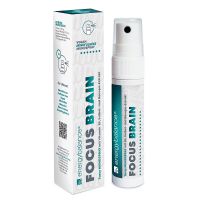
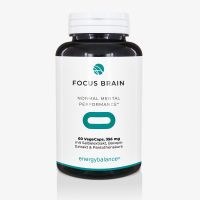
Among the most studied and used ingredients in formulations for cognitive and mental support are:
- Phosphatidylserine, a natural component of cell membranes, particularly abundant in nervous tissue
- Acetyl-L-carnitine, involved in cellular energy metabolism
- L-Tyrosine, an amino acid precursor of neurotransmitters such as dopamine and noradrenaline
- B vitamins (such as B6, B9, and B12), which contribute to normal energy metabolism and reduction of fatigue
- Pantothenic Acid (Vitamin B5): contributes to normal mental performance
- Specific antioxidants, including spermidine, useful to counteract oxidative stress at the cellular level
- Sage, Bacopa: traditionally used and studied for support of memory, cognitive capacity, and concentration




-
Ketogenic diet: yes or no?
 January 5, 2026
 -
Visceral fat and brain aging
January 5, 2026
-
Breast cancer and omega-3
June 23, 2025
-
Omega-3: Fish or algae
June 23, 2025
-
Getting Back in Shape After the Holidays
January 8, 2025


